
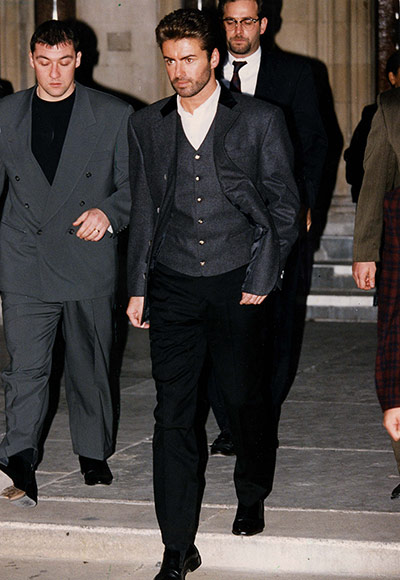
As recommended by: Muffintherabbit, Barney Tesler
When George Panayiotou, better known as George Michael, decided to downplay the sex symbol status that he gained as part of pop duo Wham!, he avoided placing his own image on the cover of his second solo album, Listen Without Prejudice Vol 1, and did not appear in any promotional videos. But Michael alleged that Sony under-promoted the album, while keeping him in a long-term contract that prevented him from signing to a new label, and described his situation as “professional slavery”. However, the court wholly rejected his claims, allowing the practice of artists being signed to multi-album contracts to continue. Photograph: Mike Floyd/Rex Features
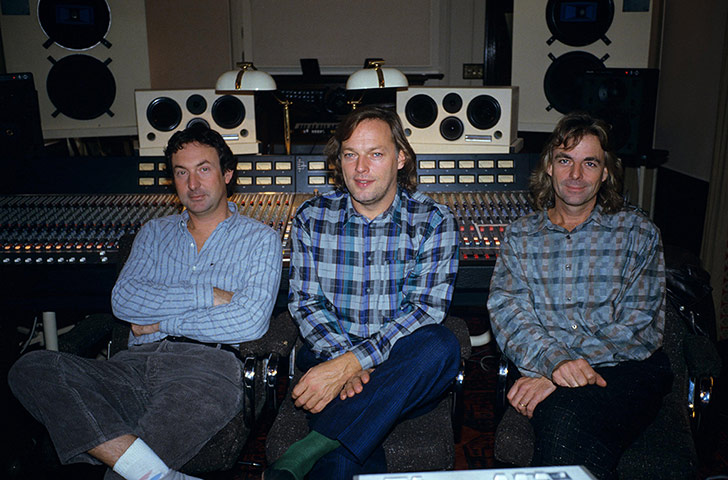
As recommended by: mojoangel, prolekult, kpins
Having left Pink Floyd in 1985, Roger Waters entered into a legal battle with the remaining members of the band over their continuing use of the band name and their music. The case was eventually settled out of court in 1987, and Water walked away with the rights to the concept of The Wall, as well as his trademark inflatable pig. The band, now led by David Gilmour, went on to release a further two studio albums under the name Pink Floyd. Photograph: Richard Young/Rex Features
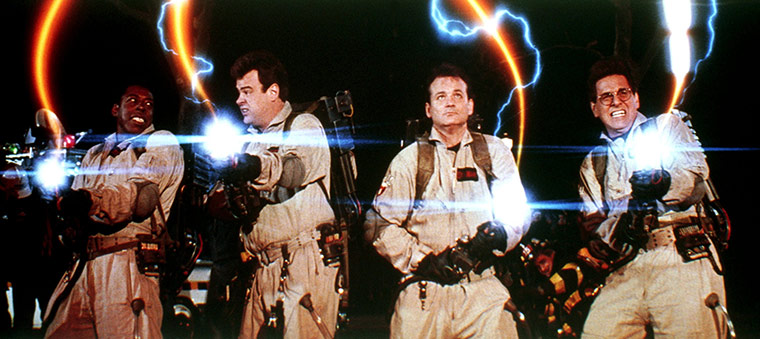
As recommended by: GMQ1973, dondi
Huey Lewis and the News sued Ray Parker Jr after he wrote the title track to the film Ghostbusters, which they claimed bore similarities to their earlier song, I Want a New Drug. The case was settled out of court, but a 20th anniversary article about the film was later published in Premiere magazine in which the film-makers conceded they they had used I Want a New Drug as temporary background music for some of the film's scenes. They also provided footage of these scenes to Parker, to help in writing what was to become the film's theme. Photograph: Rex Features
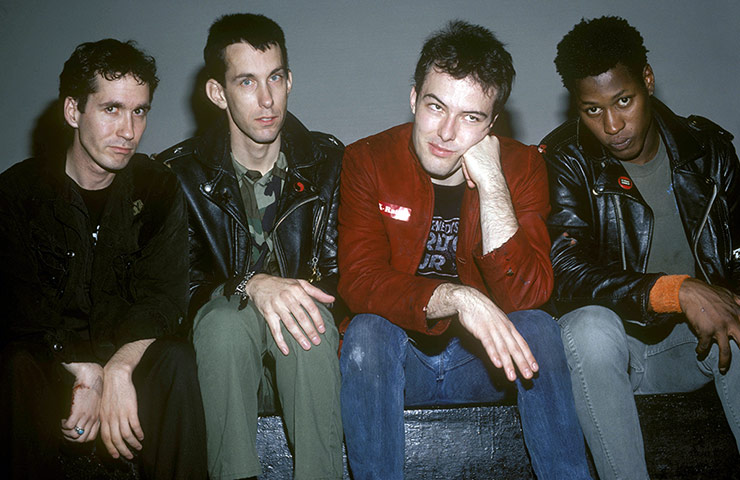
As recommended by: sinders, Ishowerdaily, paulrudolph, Paul Waterfield
Former members of the Dead Kennedys sued ex-singer and songwriter Jello Biafra after they discovered that they had been paid lower loyalty rates. Biafra claimed that the lawsuit was prompted by his refusal to let the band's single Holiday in Cambodia be used in an advert for Levi's Dockers. Despite both parties agreeing that the nonpayment of royalties was down to an accounting mistake, Biafra's failure to inform the rest of the band led him to be found liable for fraud and malice, and he was ordered to pay $200,000, including $20,000 in punitive charges, to his former bandmates.
Photograph: Peter Noble/Redferns/Getty Photograph: Peter Noble/Getty
As recommended by: cfranklin7
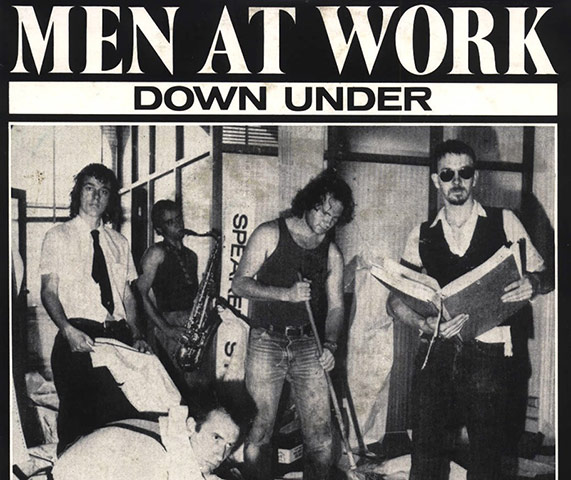
Larrikin Music had owned rights to the children's song Kookaburra since 1990, but it wasn't until 2008, when Australian TV quiz show Spicks and Specks asked the question, “Which children's song is contained in the song Down Under?” that they were made aware (via public correspondence) of the alleged copyright infringement by Men at Work. Twenty-eight years after the track's original release, Larrikin Music sued the band, who were subsequently ordered to pay 5% of future profits from the song to the record company, as well as royalties dating back to 2002. Photograph: PR
As recommended by: Anne42, Chinaski75, babylonia
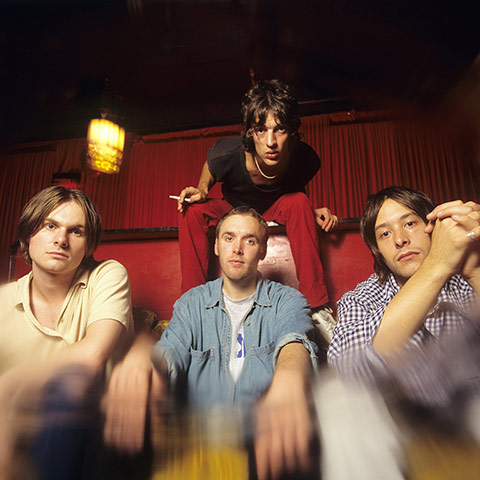
Despite the Verve holding a licence to sample from the Andrew Oldham Orchestra recording of the Rolling Stones' 1965 track The Last Time, Allen Klein's ABKCO Records (who own the rights to the Stones' '60s catalogue) were able to argue that “too much” of the sample had been used on the track Bitter Sweet Symphony. ABKCO was eventually granted copyright of the track, and songwriting credits were changed to Jagger/Richards/Ashcroft, with the Rolling Stones receiving 100% of the royalties. Photograph: Bob Berg/Getty Images
As recommended by: ArmchairAthlete, Anne42, rickylee369
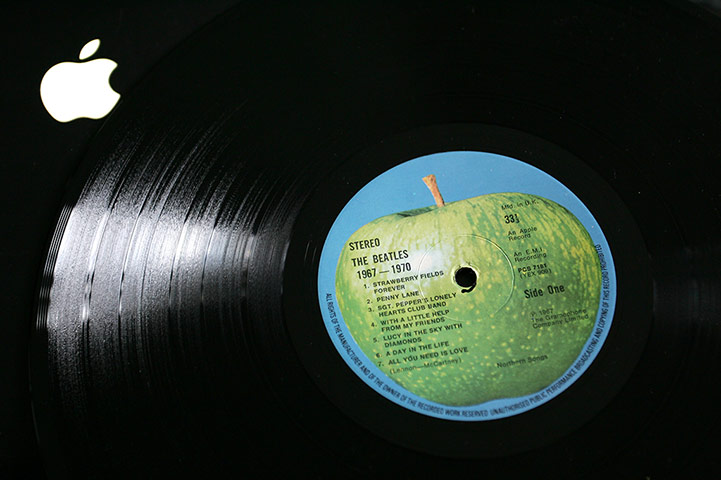
One of the longest and messiest legal battles in pop history has perhaps been between Apple Corps, founded by the Beatles, and computer manufacturer Apple Computer, with the two organisations warring over trademark rights since 1978. Relations between the companies appeared to be improving in 2007, when Apple CEO Steve Jobs quoted the Beatles during a conference, while Paul McCartney was quoted in Rolling Stone magazine as saying that the Beatles' music would be available via the iTunes store from the beginning of 2008 (although this did not actually take place until 2010). Photograph: SANG TAN/AP

As recommended by: pinheadangel, JHCinDub
Don Van Vliet, better known as Captain Beefheart, recorded his Bat Chain Puller album in 1976 for DiscReet Records, founded by Frank Zappa and his then business manager, Herb Cohen. However, it soon emerged that Cohen had funded the album's production with Zappa's royalty cheques. As a result, Zappa withheld the master tapes and was sued by Cohen, while Van Vliet was forced to rerecord the album for Warner Bros Records under the title Shiny Beast (Bat Chain Puller). The original album remained unreleased until 2012. Photograph: PR
As recommended by: tigertiger, NotSingingAnymore
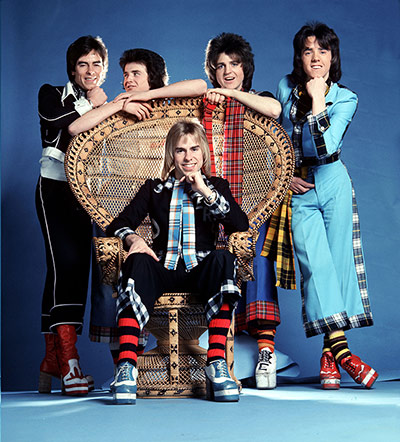
Following the 2004 documentary Who Got the Bay City Rollers' Millions?, six former members of the band filed a lawsuit against record company Arista Records, who they claimed owed the band “tens of millions of dollars” in unpaid royalties. The case launched in 2007, but Arista claimed that the New York statute of limitations would prevent damages from more than six years previously from being recovered. In 2011, however, a judge ruled that the statue did not apply as Arista had repeatedly promised the Bay City Rollers their royalties in writing, allowing the band to continue with their ongoing lawsuit. Photograph: Roger Bamber/Rex Features
As suggested by: roob, EnviroStudent
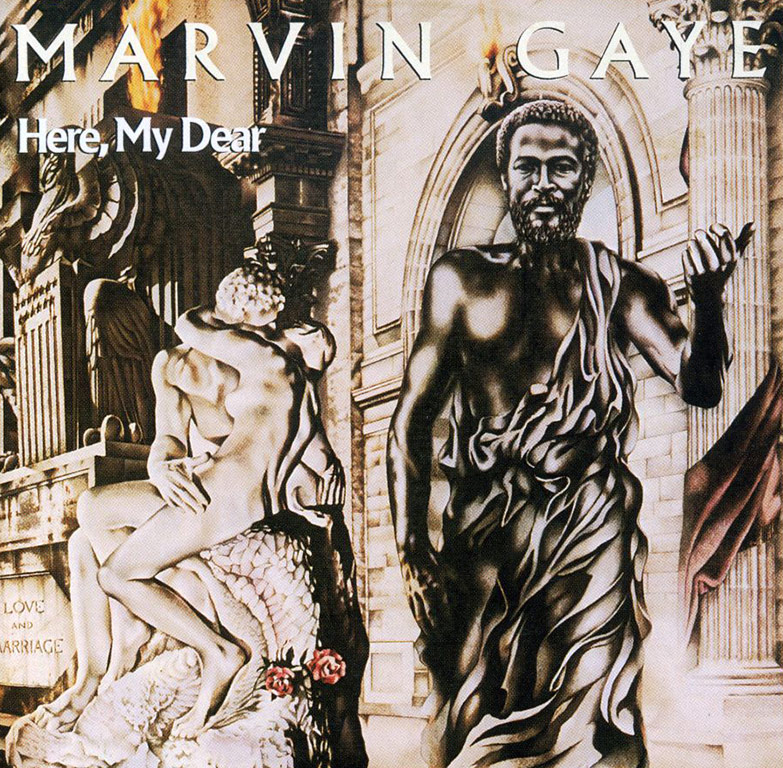
Marvin Gaye's first wife Anna Gordy filed for divorce after the singer had two children with Janis Hunter. However, Gaye's luxurious lifestyle and cocaine habit had made it impossible for him to pay alimony and child support and, instead, he was ordered to give a portion of the royalties from his next album to Gordy. The songs on the resulting record, which Gaye knowingly titled Here, My Dear, were deeply personal and largely focused on their tumultuous marriage. Gordy reportedly considered suing for invasion of privacy, but never took the case to court. Photograph: PR
