The Southbank’s Rest is Noise Festival is a year-long celebration of 20th century music. Built around Alex Ross’s award-winning book of the same name, it features key musical works from across the century as well as art, film and literary events.
Much has been written about what happened when the ‘blast of modernity blew across Europe’, as Gillian Moore, head of classical music at London’s Southbank Centre, described it. But what did critics at the time think about these often radical pieces of music? We look back at reviews of some of the key works from the festival.
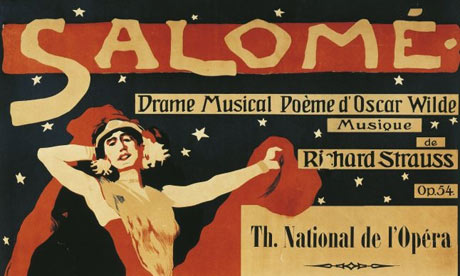
Alex Ross’s book opens with the first performance of Richard Strauss’s Salome on 9 September 1905. The following day, the Observer reported that it was “an extraordinary, almost an awful work”.
A couple of years later, and the The Manchester Guardian was hoping that the opera would be performed in its own city. In January 1910, the Observer reported that Salome’s premiere at Covent Garden was causing problems for the censor – who was calling for changes to be made to the production. A modified version was eventually performed, as reported by the Guardian.


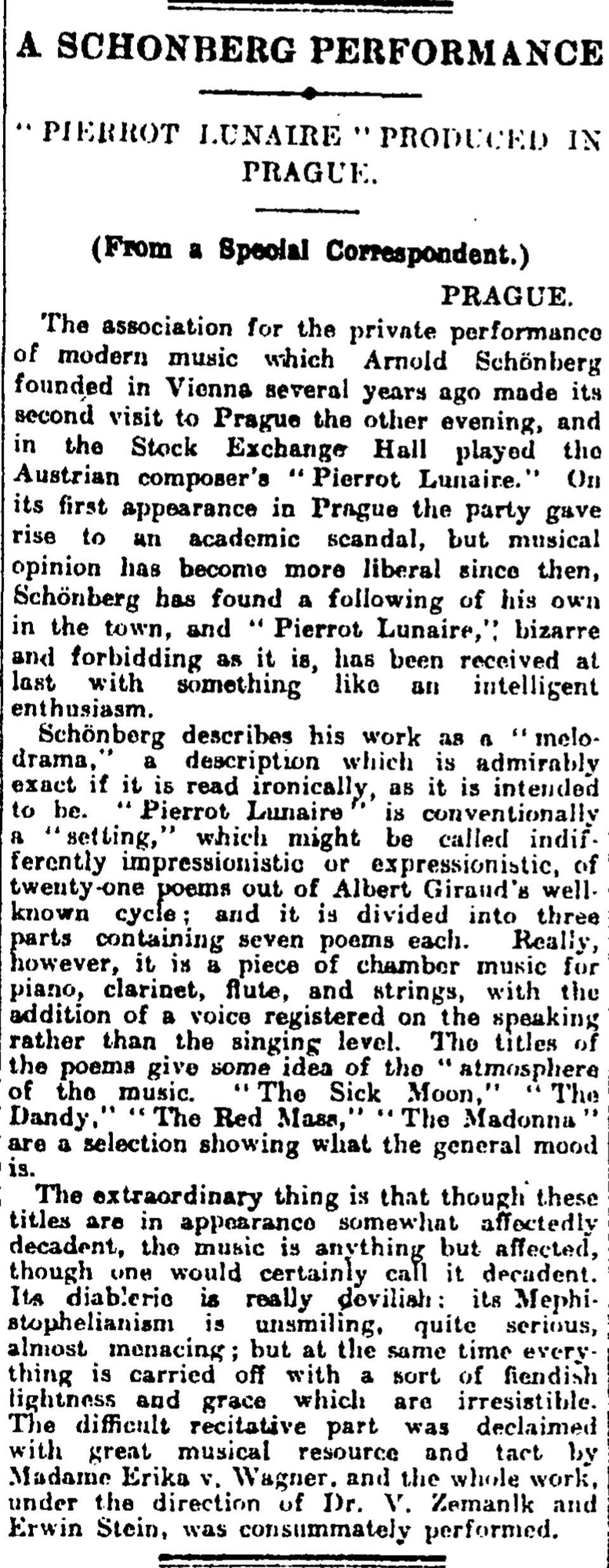
Arnold Schoenberg is another composer featuring in the festival. On 4 December 1921, the Observer reviewed a performance of Pierrot Lunaire, one his most important compositions, noting that the music could certainly be called ‘decadent’. A decade earlier, the paper attempted to explain how Schoenberg’s music actually worked.
To some though, such as Sir Alexander Mackenzie, the Scottish composer and principal of the Royal Academy of Music, modern music was nothing more than a ‘Jumble of cacophonous sounds’.
